
Responsible Outdoors
Watch Wildlife Without Disturbing It
Keep distance, never feed animals, secure attractants, and follow species- and place-specific official instructions.
On this page
Give animals room to behave naturally
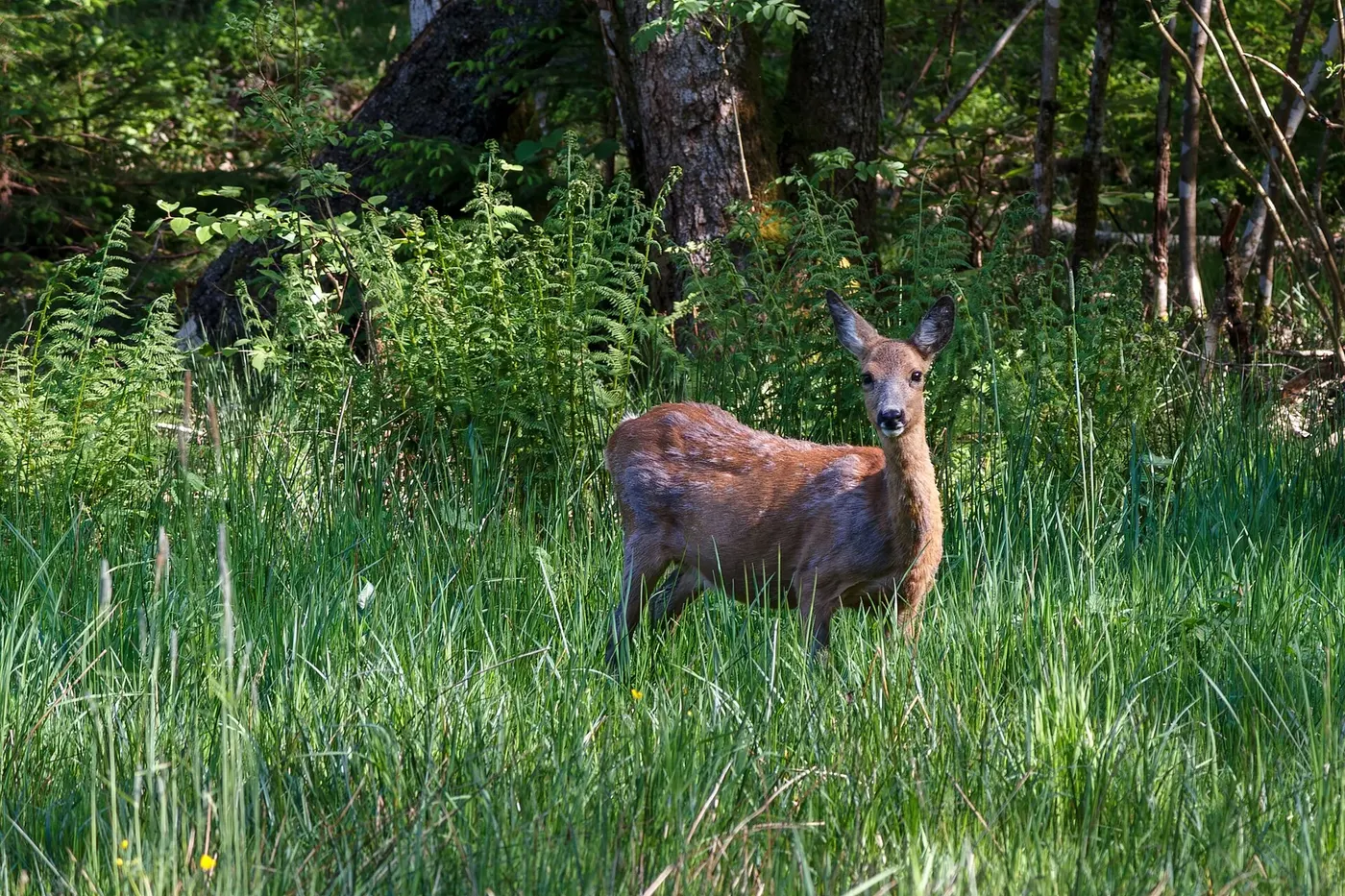
Observe wildlife from a distance that does not change its behavior. Follow the land manager’s required setbacks and seasonal guidance, which may differ by species and location. If an animal changes its movement, stops feeding, makes warning behavior, or approaches people, increase distance and leave the area calmly when it is safe. Do not move closer for a photograph or surround an animal as a group.
Never feed wildlife, intentionally or by leaving scraps. Human food can alter an animal’s behavior and create conflict. Secure food, rubbish, toiletries, cookware, and other attractants using the exact storage system required at the site. Keep pets under control and follow rules about leashes, closures, and sensitive areas.
Choose routes and times with current information
Check official alerts for wildlife activity, seasonal closures, nesting areas, migration, or other restrictions. Avoid entering a closed area even if the route appears quiet. Do not handle young animals or approach a den, nest, or carcass. If you see an animal where people are unexpectedly close, give it space and notify the appropriate authority if local guidance asks visitors to report it.
Photograph without pressure
Use a zoom lens or binoculars rather than walking toward an animal. Stay on permitted trails and keep the group quiet enough not to disturb surrounding visitors. Avoid sharing precise location details of sensitive species if the land manager or conservation organization advises against it.
Know the response before an encounter
Wildlife responses are species-specific. Learn the official instructions for the destination before traveling; do not rely on generic encounter advice from another region. Store emergency and ranger contact details where they are accessible offline. If an animal poses an immediate danger, follow local emergency guidance and contact the responsible authority when safe.
Leave the place undisturbed
Take rubbish with you, keep food contained, and do not collect feathers, plants, bones, or other natural objects. After the visit, use official reporting channels for injured wildlife or unsafe behavior. The right action depends on the animal and local conservation rules.
Learn what is sensitive in this place
Before traveling, read guidance from the park, conservation authority, or wildlife agency responsible for the area. Learn which species are present, whether nesting or migration seasons affect access, and what distances or viewing rules are specified. These instructions are local; a number or encounter response from another region may not apply. If an official page names a restricted area, do not approach it simply because an animal is not visible.
Bring binoculars or a camera lens if you want a closer view while remaining at a distance. Keep a clear route for animals to move away, and avoid calling, baiting, surrounding, or touching them. Do not use playback or flash unless the authority explicitly permits it. A quiet observation often means seeing less detail, which is part of respecting wildlife.
Keep food, waste, and pets under control
Store attractants using the destination’s required method. This can include food, rubbish, toiletries, cookware, and pet supplies. A closed pack is not necessarily animal-resistant. Check the approved container, locker, vehicle instructions, and any special storage rule before arrival. If a system is damaged or unavailable, ask staff instead of improvising.
Follow leash, route, and pet restrictions. Even a well-behaved animal can disturb wildlife by scent or movement. Keep children close enough to follow instructions and do not allow them to feed animals. Pack out food scraps and never leave a snack behind to draw an animal for a photograph.
Respond calmly to an encounter
Behavior differs by species, and the correct response can change with location and circumstance. Learn the official encounter guidance before the trip. If an animal appears, stay at the distance indicated by the authority, avoid blocking its path, and move away only as instructed. Do not run toward an animal or try to touch, corner, or separate it from young.
If the animal’s behavior is unexpected or creates immediate danger, prioritize people’s safety and follow the destination’s emergency instructions. Contact a ranger, site staff, or the local emergency service when appropriate and safe. Avoid spreading unverified advice or an exact location publicly, especially if the species or site is vulnerable to disturbance.
Photograph without changing the animal’s behavior
Use a lens or observe from a trail or viewing area rather than walking closer. Keep noise low, avoid bright lights at night, and do not block other visitors’ view. If the animal changes direction, stops feeding, hides, calls repeatedly, or approaches because of your presence, increase distance or leave. Treat those observations as a prompt to give it more room, not as an invitation to continue.
Respect restrictions on photography and geotagging, particularly at nests, dens, cultural sites, and sensitive habitats. Obtain permission before photographing other visitors. Keep any equipment and tripod within designated areas and avoid trampling plants to find a better angle.
FURTHER READING
Sources and scope
These references support the general principles above. Their geography and publication dates vary; check the current local authority for your trip.
- Principle 6: Respect WildlifeLeave No Trace Center for Outdoor Ethics
Species-specific distances and responses must come from the local wildlife or park authority.
- Camping Safely: During Your StayU.S. National Park Service · 2017-04-21
Some rules and animal guidance are site-specific; readers must follow the local authority.
- Plan Your VisitU.S. National Park Service
US national park service example; not a source for non-US destinations.
TAKE THE NEXT STEP