
Hiking Skills
Find a Sustainable Hiking Pace
Use conversational effort, terrain, planned breaks, group needs, and turnaround time; avoid universal speed formulas.
On this page
Choose a pace that leaves room to notice
A sustainable hiking pace lets the group move, talk, navigate, drink, and adjust clothing without feeling rushed. It is different for every route and person. Surface, elevation change, heat, cold, pack load, rest stops, and confidence all change how quickly a group can travel. Treat a map’s estimated time as one planning input, not a promise.
Start more slowly than the most energetic person wants. Early effort can feel easy and then become difficult after repeated climbs or a hot afternoon. On a first outing, choose a route where you can pause and reassess. The least experienced participant should be able to ask for a break or a change without becoming the person blamed for it.
Plan time around the terrain
Read the route description and map to understand where steep or uneven sections occur. Include time for junction checks, water, food, photos, and delays. The same distance can require very different effort on a smooth path, a steep climb, loose ground, or a route with repeated stream crossings. Avoid applying a universal speed formula to a group you have not hiked with on similar terrain.
Set a turnaround time and a point where you will compare actual progress with the plan. If the group is behind, take the shorter option or return while there is still a comfortable margin. Do not try to catch up by skipping breaks or pushing someone beyond their ability. A pace plan works only when it can adapt to what is happening.
Use breaks to check the group
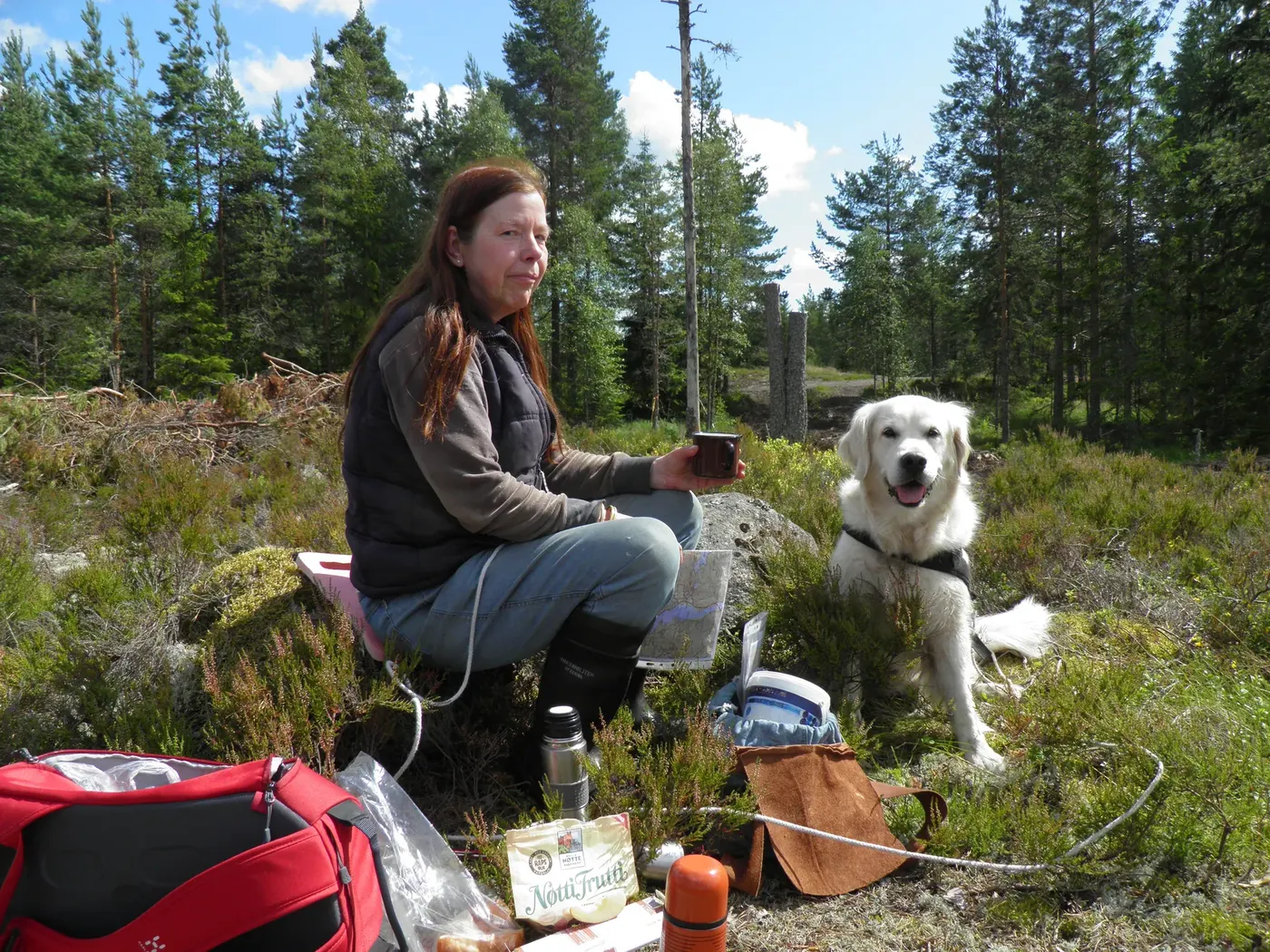
Choose places to pause that are stable and do not block the trail or expose the group to avoidable hazards. During a break, check whether people are warm or cool enough, comfortable with footwear and pack fit, and able to continue at the agreed effort. Eat and drink according to personal needs and the trip conditions; no single schedule works for everyone. For heat, follow current local public-health or weather guidance and reduce exposure when advised.
Regroup at junctions and before terrain that changes the route. Keep the group within a communication distance appropriate to visibility and trail rules. If the party splits, confirm who accompanies each part and make sure each has the route, supplies, and a way to reach the exit.
Notice when the plan needs to change
Unusual fatigue, changing weather, a late start, navigation uncertainty, or a group member asking to stop are reasons to reassess. If someone cannot continue comfortably, pause and use the plan that protects the whole group. Follow emergency guidance if symptoms or conditions suggest immediate danger; this article cannot diagnose a health problem.
Review the outing, not the person
Afterward, note where time differed from your estimate and what changed the pace. Use terrain and conditions to improve future planning rather than labeling a participant as slow. A realistic plan makes room for different bodies, abilities, and reasons to be outdoors.
Pace the route in sections
Break the outing into recognizable sections such as trailhead to first junction, junction to a rest point, and return to the exit. Estimate time for each from route information and the group’s experience, then leave room for checks and stops. A single finish-time estimate can hide a steep climb or a slow final descent. If the first section takes longer than expected, use that information to shorten the route before the group is committed to the far end.
Let the person who needs a slower pace set the group’s comfortable movement. Faster participants can wait at agreed safe points rather than repeatedly stretching the group apart. On a narrow or busy trail, regroup where people can pause safely and follow the local passing custom. Keep a predictable distance and communicate when the surface changes or a junction approaches.
Use effort, not a stopwatch, as feedback
Ask whether people can speak comfortably, whether they are recovering during breaks, and whether the load still feels manageable. These are observations, not medical tests. If effort becomes unexpectedly hard, reduce the pace and reassess the conditions, clothing, water, and route. Follow local health guidance if someone has concerning symptoms, and seek emergency help when appropriate.
Do not treat a slower pace as a reason to remove breaks or delay a turnaround. The route should fit the people who are there that day. If your group is new to hiking, choose a short trip with multiple easy exits so you can learn its pace without pressure.
When planning the return, allow for the same terrain to feel different after a long day. Descents can be slow on loose or slippery ground, and a tired group may need more breaks. Use the route description and the group’s observations to keep a reserve rather than assuming the way back will be faster.
For a hypothetical review, compare two sections of the same outing: a clear path before lunch and a loose descent afterward. Record the actual start and finish times, pauses, and surface observations separately. Do not label the difference a change in fitness without evidence. Those notes help identify which section needs more margin next time and whether the proposed route should be shortened for the same party.
FURTHER READING
Sources and scope
These references support the general principles above. Their geography and publication dates vary; check the current local authority for your trip.
- Principle 1: Plan Ahead and PrepareLeave No Trace Center for Outdoor Ethics
Some listed distances and rules are US-oriented examples; verify local requirements.
- Tailgate Safety Series: General HikingU.S. National Park Service
Public agency safety information; avoid turning brief bullets into individual medical advice.
- Risk ManagementNational Outdoor Leadership School
Institutional training perspective, not a substitute for trained instruction or emergency services.
TAKE THE NEXT STEP