Camping Basics
Use a Camp Stove Safely
Practice with the exact equipment, follow manufacturer instructions, use only in permitted outdoor settings, and manage fuel carefully.
On this page
Practice with the exact stove and fuel
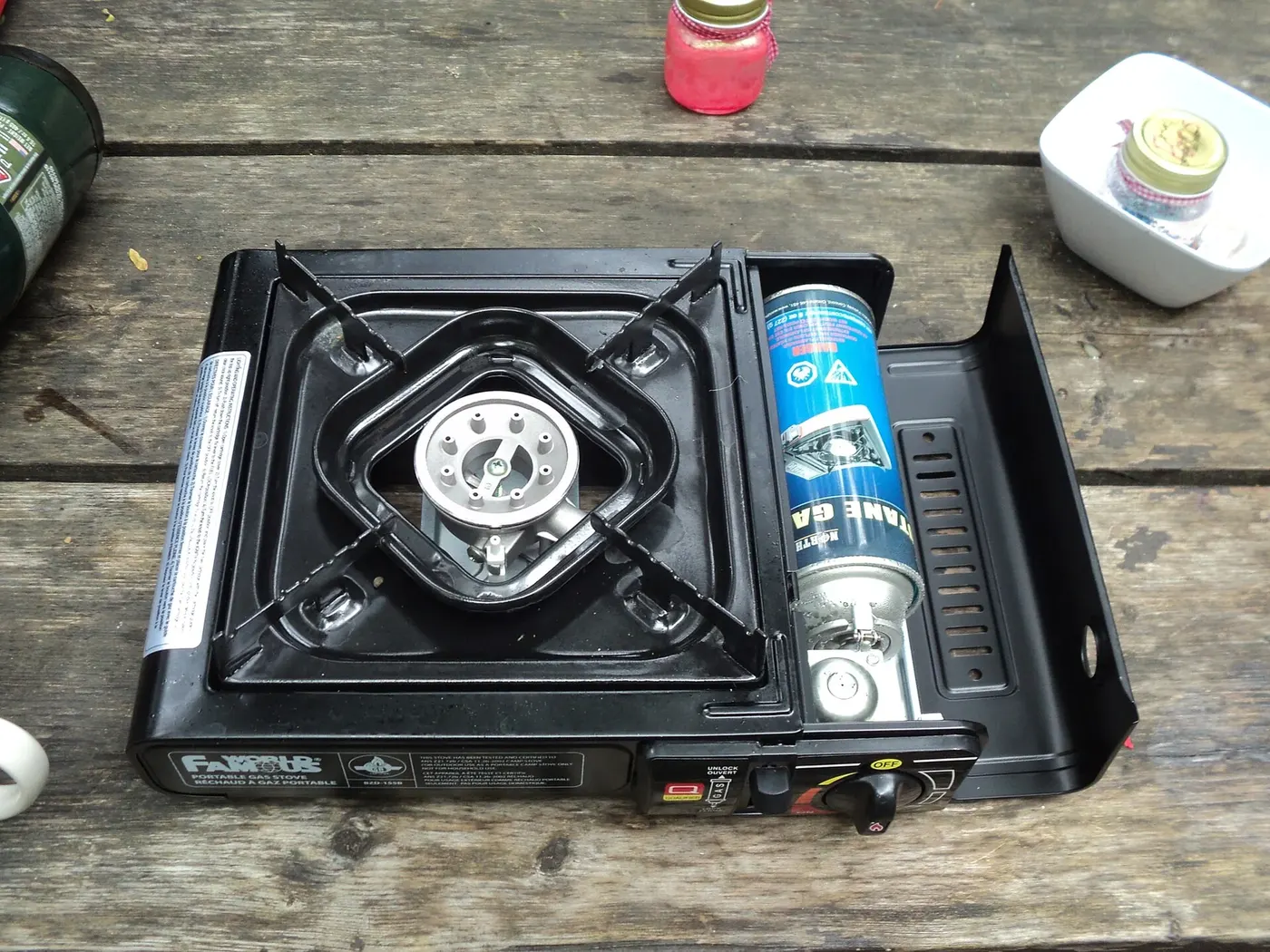
Read the stove and fuel manufacturer’s instructions before the trip. Assemble, light, adjust, and shut down the stove in a safe permitted outdoor area, following the prescribed method. Learn how the fuel connects, how the controls behave, and how to check for leaks if the instructions describe a check. Do not improvise with incompatible fuel or equipment.
Never use a fuel-burning stove inside a tent, vehicle, or other enclosed space. Carbon monoxide can build up without a reliable warning. The CPSC describes fatal carbon-monoxide incidents involving camping equipment. Keep the stove away from dry vegetation, overhanging material, children, pets, and unstable surfaces. Use a stable cooking area with room to move, and keep fuel away from heat and ignition sources according to the manufacturer.
Confirm that cooking is allowed
Check the responsible land manager’s current fire and stove rules. Restrictions may distinguish types of stove or fuel, and may change with drought, wind, or wildfire danger. If cooking is prohibited, use food that does not require heat or choose another destination. Do not assume an old sign or a neighboring campground’s rule applies to the site you plan to visit.
Manage food, hot surfaces, and cleanup
Set up the cooking area so a spill cannot reach people, water, or flammable material. Keep pot handles positioned away from walkways and use appropriate cookware. Let equipment cool as directed before handling or packing it. Store fuel and food according to manufacturer instructions and the site’s wildlife requirements.
Carry only the amount of fuel suitable for the trip and confirm how it must be transported. Do not store fuel in a hot vehicle or near sleeping equipment. Pack out food scraps and follow local wastewater and dishwashing instructions.
Stop if something is wrong
If the stove is damaged, unstable, leaking, or behaving unexpectedly, turn it off using the instructed method and do not continue using it. Contact the manufacturer for product guidance. Know how to reach local emergency help and keep the cooking area clear. A stove is useful only when the equipment, location, and current rules all fit.
Learn the specific stove before the trip
Stoves differ in fuel, connection, ignition, pot support, wind performance, and shutdown procedure. Read the manual for the exact model and compatible fuel, and practice outdoors in an allowed, open location. Do not substitute a fuel canister or connection because it appears to fit. Check the maker’s warnings about altitude, temperature, ventilation, wind, and cookware, and carry only the amount of fuel appropriate to the route.
Inspect the stove, hose, seals, valve, and supports before each use. If you smell fuel, see damage, or notice a leak, stop and follow the manual’s isolation instructions. Do not light the stove to test a suspected leak. Ask the manufacturer or a trained repair service for help rather than improvising a fix.
Choose a stable outdoor cooking position
Use the stove only where the land manager allows it and only in the manner specified by its maker. Set it on a level, stable surface away from dry grass, loose gear, tent fabric, overhanging branches, and places where people are walking. This guide covers portable outdoor cooking stoves: use them outside, away from tents and vestibules, vehicles, and enclosed spaces. Ventilation does not turn an outdoor-only stove into an indoor appliance. Read the exact stove manual; this article does not cover specially engineered indoor heating installations. MSR’s Reactor instructions, for example, expressly prohibit using that stove in a tent or vestibule.
Keep children and pets away from the flame and hot cookware. Secure the pot so it cannot tip, and choose a size that matches the stove’s support. Do not cook on an unstable rock or narrow ledge where a spill could burn someone or start a fire. In strong wind, stop if the flame cannot be controlled safely; never surround a burner with a windscreen contrary to its instructions.
Handle fuel with attention
Store fuel away from flame and heat, and follow the label for transport and storage. Check local rules for carrying fuel on public transport, in vehicles, or across borders; hazardous-material requirements may differ. Avoid leaving a fuel container in a hot vehicle or in direct sun. Keep it upright and protected from impact when the product design requires that position.
Connect fuel only as instructed, with the burner off and away from other ignition sources. Do not over-tighten fittings or handle a canister while it is hot. Turn the stove off using the manufacturer’s sequence and let equipment cool before packing. Keep fuel separate from food and from any place where a leak could collect unnoticed.
Prepare food and water without rushing
Use cookware that fits the burner and keep handles away from the flame. Stir or lift pots carefully, and avoid filling them so high that boiling liquid can spill. Follow the food safety needs for the ingredients and climate. If you are treating water with heat, follow the relevant public-health guidance and allow it to cool safely before storing it.
Plan meals that match the group, fuel supply, and local storage rules. Keep raw and ready-to-eat food separate where needed, collect scraps, and manage wastewater as directed by the site. A stove is not a reason to wash dishes directly in a stream or leave food residue at camp.
FURTHER READING
Sources and scope
These references support the general principles above. Their geography and publication dates vary; check the current local authority for your trip.
- Cooking in CampU.S. National Park Service
Food storage distance and approved containers vary by park and species.
- Before the TripU.S. National Park Service
US park guidance; requirements and outdoor contexts differ globally.
- Reactor Stove System InstructionsMSR / Cascade Designs
Read the source in its stated context; examples do not establish worldwide local requirements.
- Portable Heaters & Camping EquipmentU.S. Consumer Product Safety Commission
Read the source in its stated context; examples do not establish worldwide local requirements.
TAKE THE NEXT STEP