Camping Basics
Plan Simple Meals for a Camping Trip
Match menu, storage, cooking time, fuel, cleanup, group needs, and pack-out waste to the access and rules of the site.
On this page
Match food to access and the day’s plan
Choose meals that fit how far you carry them, how long the trip lasts, the group’s needs, available storage, and the site’s rules. A car-access site may allow different containers from a walk-in or backcountry trip. Plan portions and snacks so the group has food for the expected outing plus a reasonable delay, without carrying more than the route and storage system can handle.
Ask about allergies, dietary needs, and preferences without making assumptions. Keep ingredients labeled and protected from weather. Check how long food can remain at expected temperatures and follow public-health guidance for perishable items. If cooling cannot be maintained, choose shelf-stable options that suit the group.
Choose cooking that fits the site
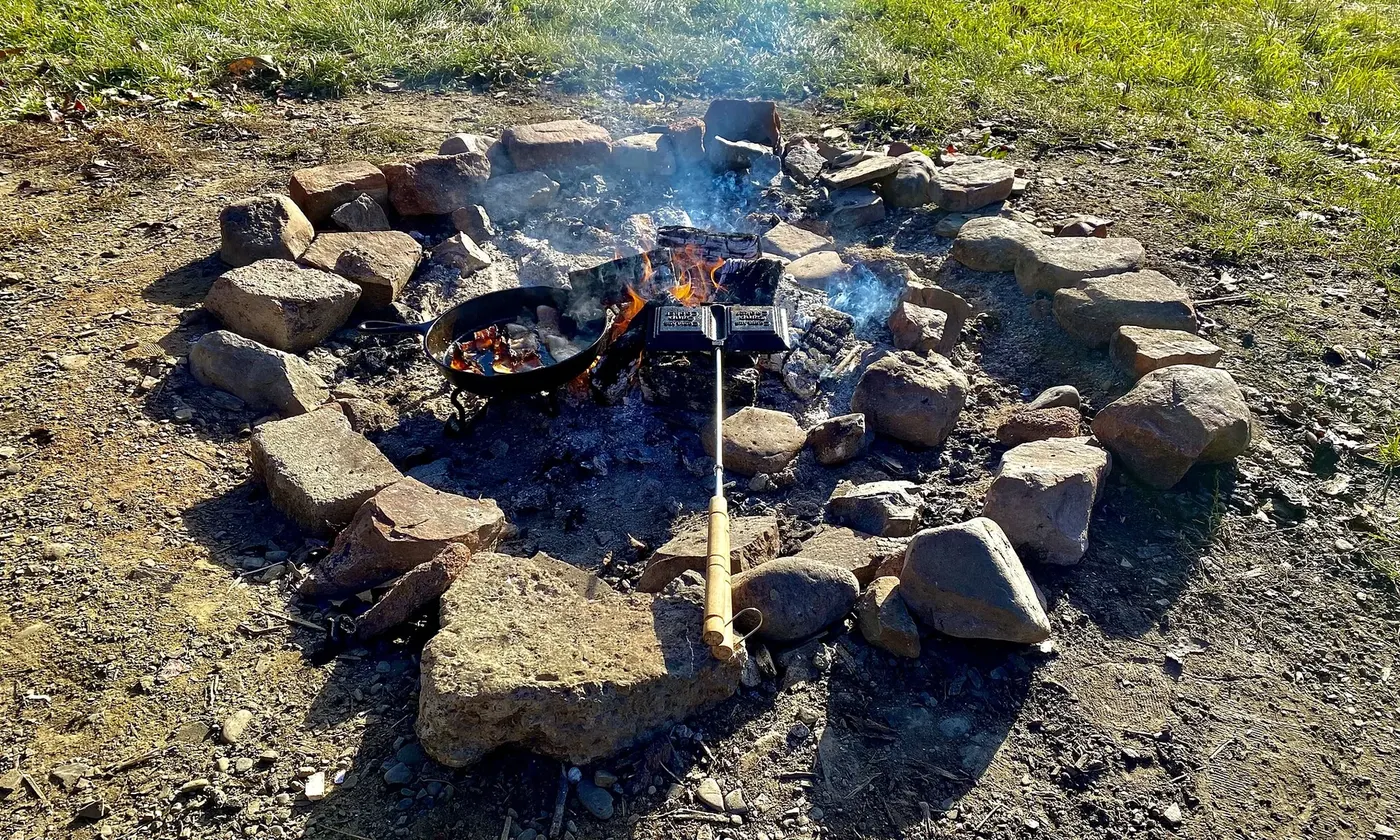
Decide whether meals need a stove, fire, or no cooking. Confirm the current land-manager rules before relying on flame. Practice the exact stove and cookware, follow manufacturer instructions, and never cook in a tent or enclosed space. A no-cook meal can be a simple backup if equipment fails or restrictions change.
Estimate fuel based on the manufacturer’s guidance, meal plan, and conditions. Wind, cold, altitude, and cookware can affect use. Carry fuel safely and avoid assuming that you can replenish it at the destination. Keep a backup meal that does not depend on a single stove or ingredient.
Store food and waste for the wildlife
Check local instructions for food, toiletries, cookware, and rubbish. Some destinations require a particular container or storage location. Keep food away from wildlife and never feed animals. Secure leftovers and scented items as the authority specifies; do not treat a generic hanging method or distance as universal.
Plan cleanup before cooking. Follow the site’s directions for wastewater, washing, and pack-out waste. Do not dump scraps or wash dishes directly into water unless official local guidance describes an allowed method.
Make the menu easy to use
Pack ingredients in the order you will need them and write down what each meal requires. Keep the cooking area stable, clean, and away from foot traffic. After the trip, note which portions were useful and whether the storage plan matched the site. Check fresh rules and conditions next time.
Plan meals around access and time
Start with the trip length, group size, arrival time, and the way food will be carried. A car-access campground may allow a cooler and heavier cookware, while a walk-in route rewards compact meals with fewer parts. Consider when you will set up, how much daylight remains, and whether anyone will arrive tired or hungry. Choose a menu the group can prepare with the stove and skills available rather than relying on a complicated recipe at the end of a long day.
List each meal and snack, then record the ingredients, water, cookware, fuel, and cleanup it needs. Pack a little flexibility for a delayed arrival or a change of plan. Avoid treating a fixed calorie formula as a universal requirement; food needs vary with activity, weather, and individuals. Follow qualified dietary advice for health conditions and bring familiar food for personal needs.
Match ingredients to storage and climate
Check the site’s wildlife and food-storage rules before choosing packaging. In some places, food, garbage, toiletries, cookware, and other scented items must be secured in a particular container or stored at a specified location. Do not assume a vehicle, tent, bag, or ordinary plastic box is acceptable. Follow species-specific directions from the land manager and keep the storage plan consistent with the group’s campsite routine.
Consider temperature, travel time, and the food safety instructions on the package. Perishable ingredients need a suitable cold-storage plan, and a cooler only works while it remains within the required conditions. If safe storage is uncertain, select shelf-stable food. Keep raw items separated from ready-to-eat food and wash hands and utensils with the facilities or method allowed at the site.
Reduce cooking complexity and fuel surprises
Choose meals that use a small number of ingredients and a familiar cooking sequence. Pre-measuring at home can reduce spills and waste, but keep ingredient labels if they contain allergy or safety information. Measure the water carefully for a meal, and know whether a second pot or a longer simmer is needed. Test the recipe before the trip when it depends on timing or equipment you have not used.
Estimate fuel from the manufacturer’s instructions and the planned number of uses, then confirm transport and storage rules. Cold, wind, elevation, pot design, and cooking habits can affect consumption. Portable outdoor cooking stoves belong outside, away from tents, vestibules, vehicles, and enclosed spaces. A partially open tent is not an approved indoor cooking arrangement. Follow the exact stove manual and keep an unheated meal available when safe outdoor cooking is impossible. Keep cooking away from dry vegetation and foot traffic.
Make cleanup part of the menu
Favor recipes that are easy to clean with the facilities available. Scrape scraps into the required waste container and pack them out where instructed. Do not scatter food, pour grease, or wash dishes in a natural water source unless the responsible authority explicitly describes an allowed procedure. Keep dishwater, soap, and wastewater away from wildlife and water according to local rules.
Bring only utensils and packaging you can manage. Reusable containers can reduce loose litter but must be cleaned and stored correctly. Separate rubbish as the site requires, close containers securely, and check the surrounding area for crumbs before leaving. A clean kitchen is part of food storage and wildlife care, not just tidiness.
FURTHER READING
Sources and scope
These references support the general principles above. Their geography and publication dates vary; check the current local authority for your trip.
- Cooking in CampU.S. National Park Service
Food storage distance and approved containers vary by park and species.
- Principle 1: Plan Ahead and PrepareLeave No Trace Center for Outdoor Ethics
Some listed distances and rules are US-oriented examples; verify local requirements.
- Camping for BeginnersREI Expert Advice
Retailer advice; products and techniques are examples, not endorsements.
- Camping Essentials ChecklistREI Expert Advice · 2026-06-19
Retailer checklist; it is not a universal requirement or buying list.
- Reactor Stove System InstructionsMSR / Cascade Designs
Read the source in its stated context; examples do not establish worldwide local requirements.
- Portable Heaters & Camping EquipmentU.S. Consumer Product Safety Commission
Read the source in its stated context; examples do not establish worldwide local requirements.
TAKE THE NEXT STEP