Camping Basics
Choose a Sleeping Pad for Warmth and Comfort
Compare insulation, R-value labeling, comfort, width, durability, packed size, and the conditions of the trip.
On this page
Compare warmth and comfort together
A sleeping pad cushions the ground and can reduce heat loss during sleep. Compare insulation information, thickness, width, length, packed size, weight, durability, and your sleeping position. A pad’s R-value or other insulation label is useful only when you understand the test system and compare products on the same basis. It does not guarantee warmth for every person or campsite.
Conditions matter: ground temperature, season, elevation, shelter, moisture, and personal comfort all affect the system. Use the manufacturer’s guidance to choose equipment for the expected conditions. If the outing may be cold or remote, get advice from a qualified source and choose a conservative route while you learn.
Try the pad before the trip
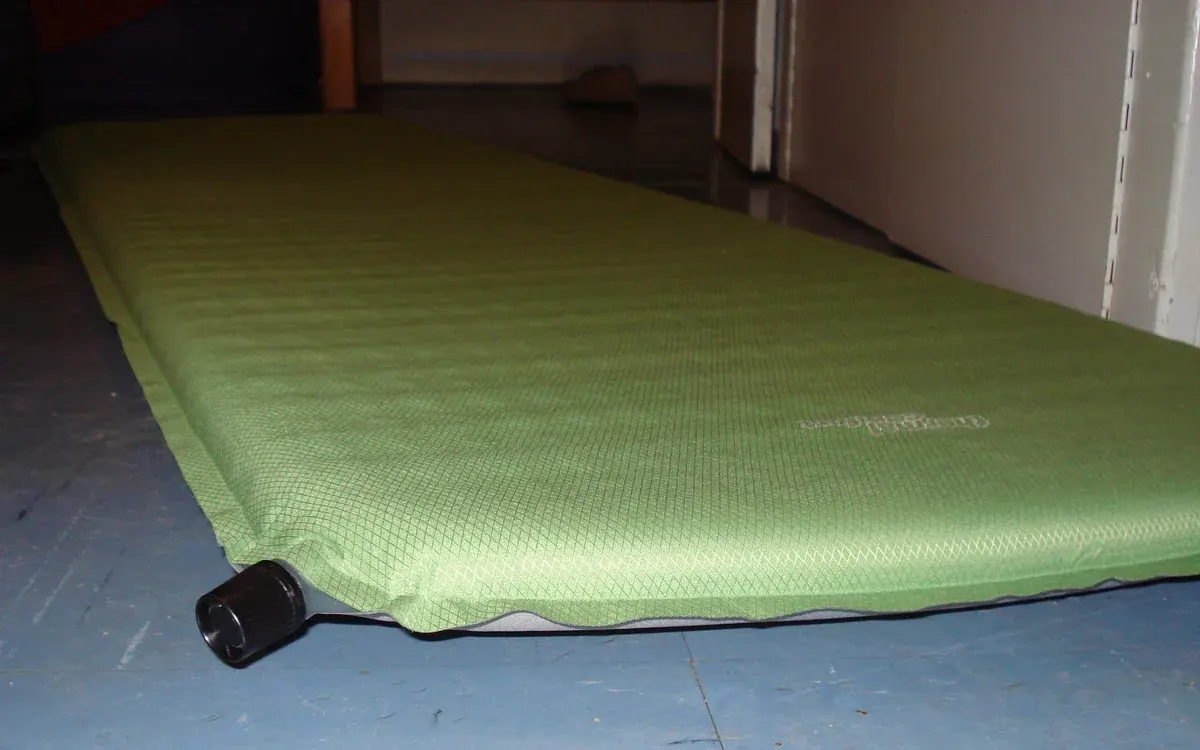
Lie on the pad for several minutes in the position you usually sleep. Check for shoulder or hip pressure, sliding, noise, and whether you stay on it when turning. Test the valve and inflation method and carry any repair items the maker recommends. For an inflatable model, learn how to protect it from punctures and how to use the repair kit.
Width and length affect comfort, while a compact pad may leave parts of the body closer to the ground. A foam pad has different durability and packing tradeoffs from an inflatable one. There is no single best form for every sleeper; try options when possible.
Pair the pad with the rest of the system
Use a suitable bag or quilt, shelter, and dry clothing. A warm bag cannot replace pad insulation against the ground. Keep the pad away from sharp items and follow care instructions after use. A groundsheet may protect a tent floor where the manufacturer recommends one, but it does not replace a suitable pad.
Recheck the site and forecast
Choose a permitted campsite with appropriate ground and drainage, then check current conditions. If the expected temperature or surface exceeds the equipment and experience available, change the plan. After the trip, inspect and clean the pad as directed and note whether its fit and warmth worked for you.
Understand what the insulation number can tell you
Many pads list an R-value or another insulation measure. Read the manufacturer’s description and current testing information so you know what is being compared. A higher value generally indicates more resistance to heat flow under that standard, but it does not guarantee that every sleeper will feel warm. REI’s sleeping-pad guide explains how insulation, construction, size, and intended activity affect the choice. Pad size, contact with the ground, sleeping bag, clothing, shelter, and personal comfort all matter.
Avoid combining numbers from products tested under different standards as if they were exact equivalents. If the manufacturer has updated its rating method, check the product’s date and documentation. When a label or listing is unclear, ask the maker. Use the number as one input in a system decision rather than the only reason to choose a pad.
Compare construction, shape, and fit
Foam pads, air pads, and self-inflating designs trade off thickness, packed size, weight, durability, and setup. Some air pads need careful inflation and can be punctured; some foam pads are bulkier but have fewer components. Product designs vary, so inspect the actual item and follow its instructions. Choose a width and length that keep your body supported in the shelter you plan to use.
Check whether the pad stays under you when you turn and whether its valves are reachable inside the tent. A pad that is too narrow or short may save pack space but make it harder to rest comfortably. Consider how it fits with your sleeping bag or quilt and the tent floor, while avoiding sharp items that could damage it.
Match the pad to access and conditions
For car-access camping, packed size may matter less than comfort or ease of setup. A walk-in trip adds weight and volume to a pack, so compare the full load rather than a product’s advertised weight alone. Cold ground, wet sites, high elevations, and wind can change what is suitable. Check the local forecast and choose a permitted site where the surface and drainage fit the shelter plan.
If your trip requires a particular insulation level, consult current manufacturer information or a qualified outdoor retailer. Do not assume that layering two pads produces a predictable combined result unless the product makers explain how to use them together. Secure stacked pads so they do not slide, and test the combination before depending on it outdoors.
Practice inflation, adjustment, and repair
Set up the pad at home using the exact method the maker specifies. Some models should not be inflated by mouth or require a pump sack; follow the instructions to avoid moisture or damage. Learn how to find the valve and how firm the pad should feel. If it is an inflatable design, identify the permitted repair materials and practice the procedure before a trip.
Check the pad for leaks, seam separation, and valve problems before departure. A quick inspection is easier when the pad can remain inflated for a while. Do not use a damaged pad in conditions where loss of insulation could create a serious problem. Choose another site, a different sleep system, or postpone if the backup is inadequate.
FURTHER READING
Sources and scope
These references support the general principles above. Their geography and publication dates vary; check the current local authority for your trip.
- Backpacking Tips for Beginners: Getting StartedREI Expert Advice
Retailer content and examples; no purchase requirement or product endorsement is intended.
- Before the TripU.S. National Park Service
US park guidance; requirements and outdoor contexts differ globally.
- Sleeping Pad Buying Guide: Types, R-Value & TipsREI Expert Advice · 2025-04-22
Retailer guide and test data; explain the limits of comparisons and do not promise personal comfort from a rating.
TAKE THE NEXT STEP